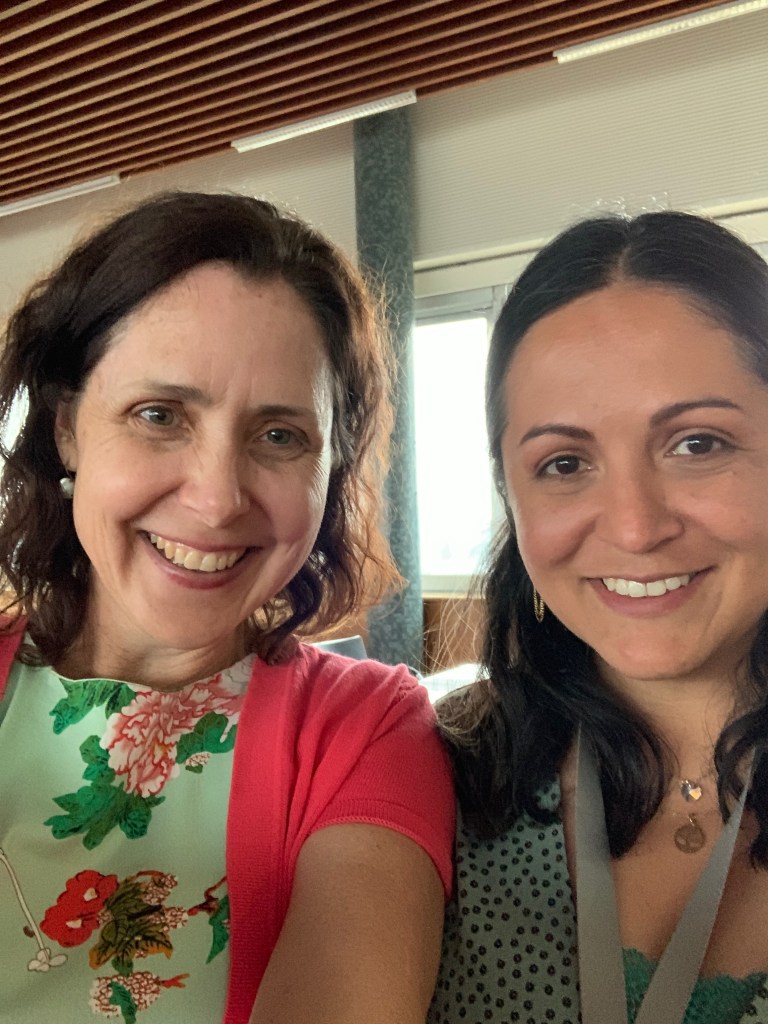
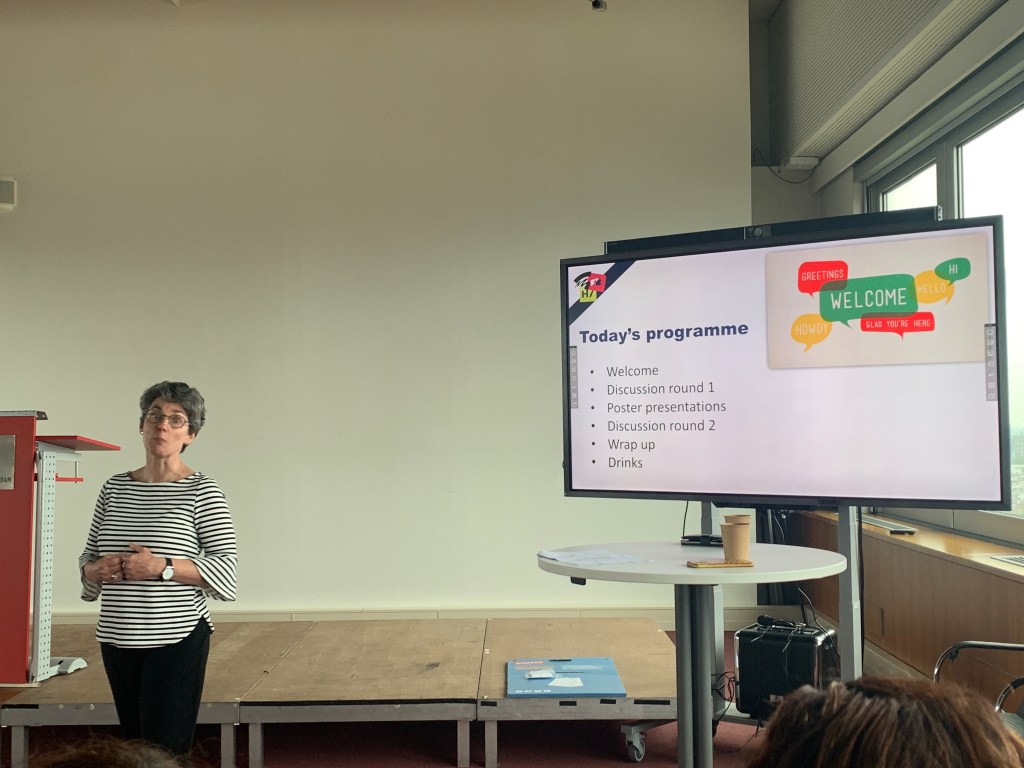
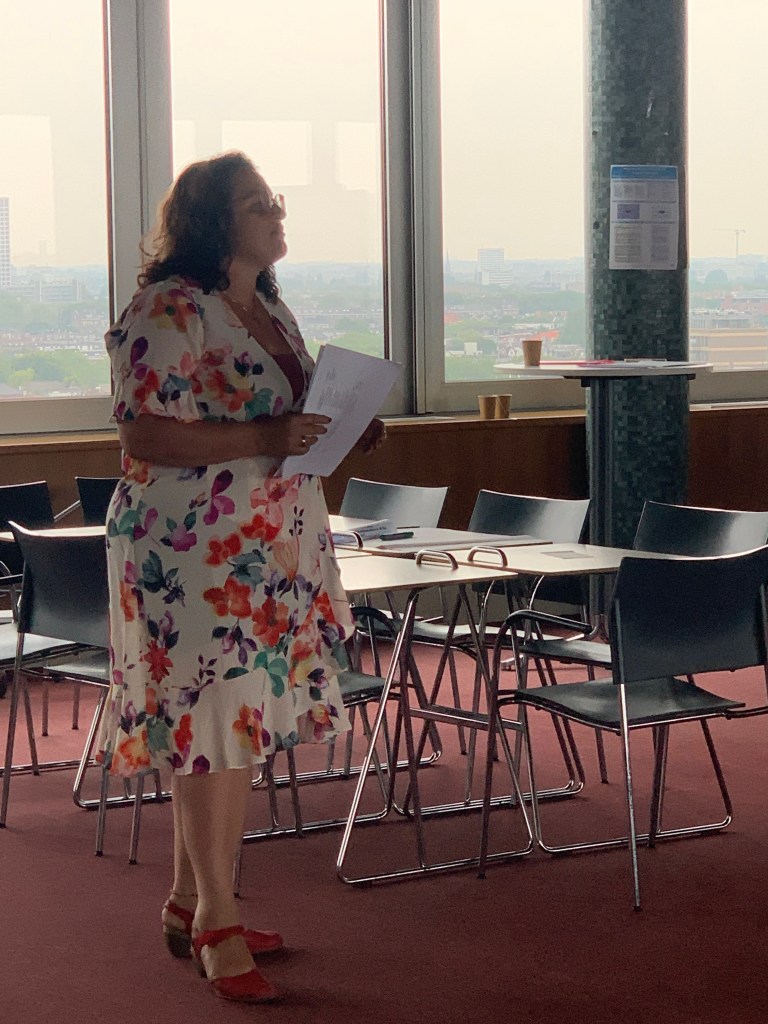
On 22 June 2023, I attended this workshop for higher education lecturers at the Hogeschool Rotterdam.
Internationalisation is a topic that has held my interest for some time, though it’s one of those concepts that you can’t really completely grasp, or define completely.
In fact, one of the first activities we did was really interesting, and was comparing different definitions used around the world in education.

Some of my colleagues are doing great work in this field, so it was good to go along to listen to their experiences and insights. Thank you Marloes, Eva, Claudia & others.
We also got into small groups and explored from various perspectives. Many of these I have crossed paths with before during COIL (Collaborative Online International Learning) projects/events.
Diversity and inclusion are at the core of our work as educators, whether we recognise it or not. Taking time to learn more about this, even if we can’t always come up with specific solutions immediately, is well worthwhile.
We finished with a Dutch “borrel” and these casual conversations at the end of the day are just as valuable.
An interesting event, and one of those types of things that I sometimes feel “I don’t have time for” with all the other demands of my job – but that I find is worth investing time into. I’m also particularly interested in the neurodiversity aspects as this is quite a new area of diversity.
I’ll definitely be spending more time on internationalisation, diversity & inclusion and other related topics in the next academic year and beyond.
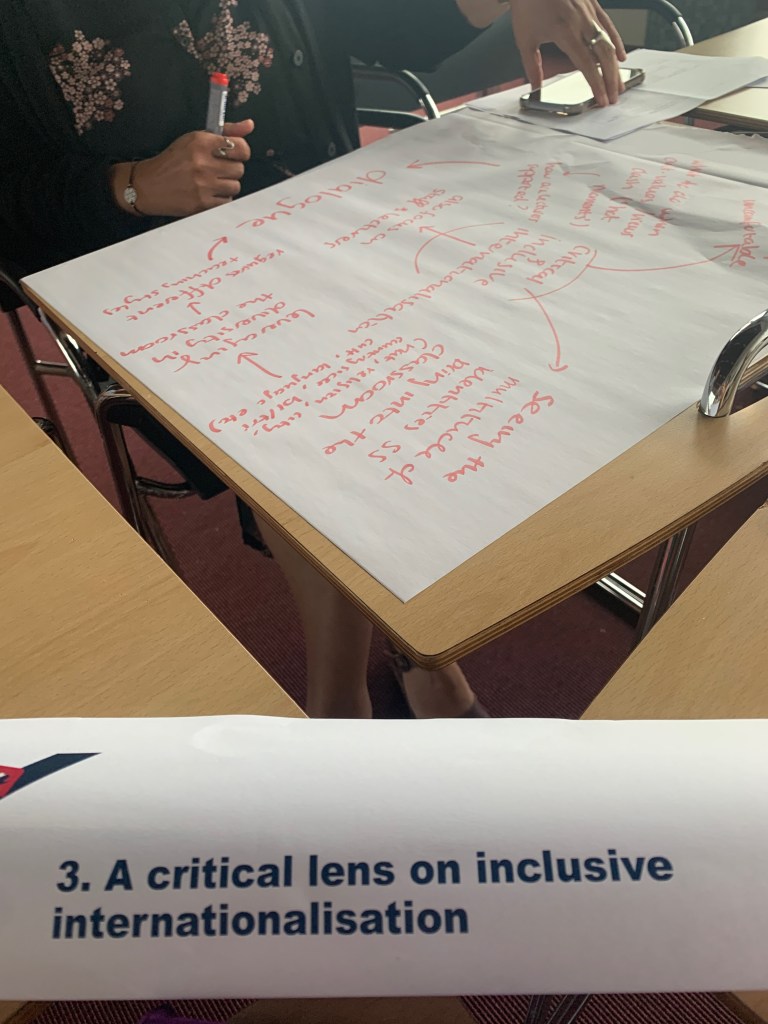
Here’s a few of my own notes and photos:

These notes may not make too much sense, and I still have to process them myself!
But sharing here in case they are of interest to anyone, and also for me to come back to myself later.
- Intersectionality – this is a new term I didn’t know yet and represents a lot of the concepts I’ve been looking at, otherwise described by the various types of diversity – but specifically how they can interact. It highlights how race, gender, class, and many other factors are interconnected – and discrimination can be experienced in one or several simultaneously.
- Identify and awareness of this is a huge part of education throughout our entire life – consciously and subconsciously.
- A few types of diversity we are dealing with at any given moment in a classroom: rural vs urban upbringing, neurodiversity, religious beliefs, and so many more – you cannot stereotype! But we often do as otherwise its’ just way tooooo much to deal with, process or even talk about.
- Tensions always arise – we can aim to be inclusive but we are all very different.
- COIL (look for the previous posts on this)
- As lecturers, we can use diversity in our classrooms to the advantage of all – but this takes TIME and ENERGY that we often are not allocated. How to equip lecturers here?
- Incorporating reflection time is so important -but not yet “standard” (e.g. we get prep time for classes but very few people talk about reflection time after class)
- Conversations and dialogue are important – and can lead to “random revelations” (that are not really random but putting puzzle pieces together)
- There is a hidden curriculum in all education – what are you there to teach/learn – and what are you ACTUALLY teaching/learning.
- Being inclusive to “ALL” may actually be “a bridge too far” and perhaps even impossible – but that doesn’t mean we shouldn’t aim for this direction at least.
- Intense conflicts come from different values
- Polarity in class is a huge challenge for lecturers – how do we encourage respect & safety? (see my other post: creating social safety as a university lecturer)







Want to share your own insights on this topic? Comment below or contact me on LinkedIn!
Renee 🙂
 Zestee